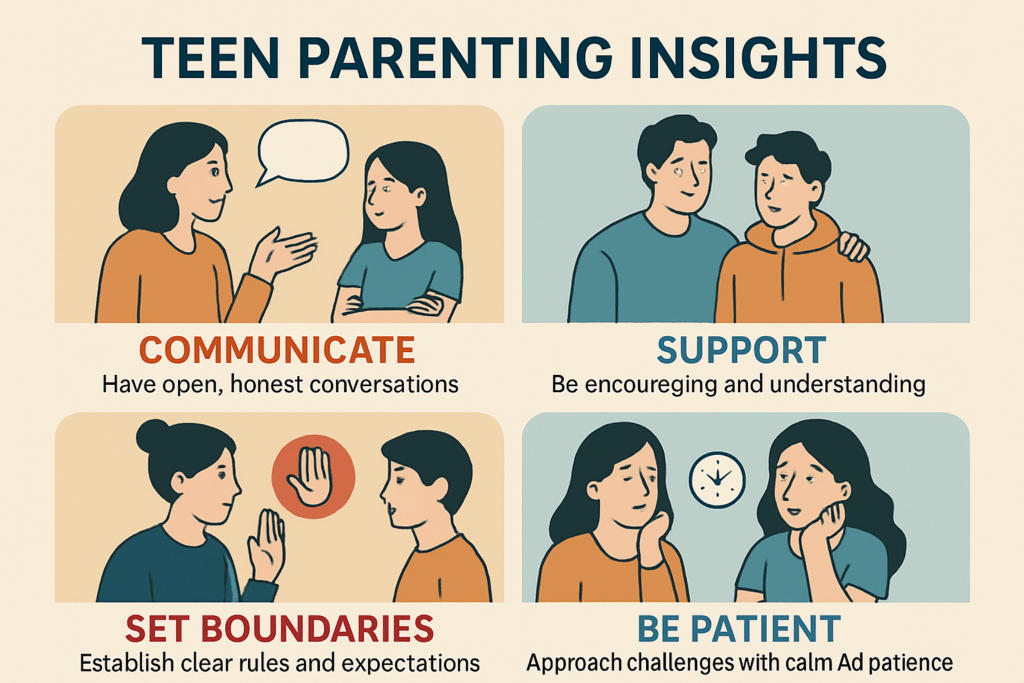

Facing the Diagnosis
There’s no guidebook for the moment you’re told your child has special needs. It’s a gut punch grief, confusion, fear, and fierce love all tangled together. You walk out of that first meeting with a diagnosis or even just a suspicion, and the world suddenly feels louder, faster, and less forgiving. But then comes the shift. You begin searching for answers, for direction.
Doctors give you terms. Therapists offer roadmaps. Other parents hand you something even more important: perspective. You learn quickly that clarity doesn’t come all at once. It drips in over time through tests, appointments, long nights, and small wins. The whirlwind slows. You start to build a new rhythm.
And then something small happens your child tries a new word, makes eye contact, ties a shoe for the first time at age eight. These aren’t little things. In this journey, they’re everything. Each one tells you you’re moving forward, even if the progress doesn’t look like everyone else’s. Victories start showing up in quiet moments. And you learn to notice them.
This is where resilience begins not with knowing what comes next, but with finding steady ground under your feet when the path changes without warning.
Building Daily Routines That Work
No two kids are wired the same, and that goes double when parenting a child with special needs. What works for one family’s morning routine might completely fall apart in another’s. That’s why tailoring daily schedules to match your child’s sensory preferences, attention span, and energy rhythms is more practical than sticking to a textbook plan.
Visual schedules can be game changers. They help kids see what’s coming, reduce anxiety, and cut down on meltdowns. Pair that with sensory friendly zones quiet corners, soft lighting, calming textures and you’re creating a space where your child can reset and regulate without drama.
Still, no routine is bulletproof. Life happens. Some days the plan works like magic, other days it doesn’t stick at all. The real win is knowing when to bend and when to hold the line. Too much structure can feel suffocating; too much freedom can unravel the day. The sweet spot is somewhere in between, where predictability gives comfort and flexibility allows room to grow.
Emotional Strength and Resilience

Parenting a child with special needs can be deeply rewarding but also emotionally demanding. Navigating caregiving while prioritizing mental and emotional well being is a continuous process. Here’s how many families sustain their strength through the ups and downs.
Protecting Your Mental Health as a Caregiver
Taking care of a child’s complex needs often means putting your own to the side but burnout can’t be ignored. Parents are learning to recognize stress early and take proactive steps to remain mentally healthy.
Set boundaries: It’s okay to say no, delegate, or reschedule. Your well being matters.
Seek professional support: Therapy, counseling, or support groups can help provide clarity and emotional release.
Prioritize micro moments of rest: Even five minutes of peace can recharge your emotional stamina.
Detox from perfectionism: Let go of the pressure to do everything flawlessly. Show up as you are.
Sibling Dynamics: Fostering Empathy, Not Resentment
Siblings of children with special needs walk a unique journey too. With intentional guidance, they can grow into understanding, compassionate individuals from an early age.
Talk honestly, in age appropriate ways: Let siblings ask questions and express their feelings.
Give each child one on one time: Even short, focused moments build strong bonds.
Celebrate each sibling’s strengths: Make sure everyone feels seen and appreciated.
Involve them appropriately: Empower them to help, but never force maturity too soon.
Building Emotional Community
No one should walk this road alone. Connection with other families navigating special needs can be one of the greatest sources of resilience.
Join local or online support groups: Shared experiences help parents feel seen and validated.
Attend workshops, events, or therapy sessions for caregivers: Build skills and relationships at the same time.
Share your story: Vulnerability can encourage others and reinforce your own strength.
Emotional strength doesn’t always look bold often, it’s quiet, steady, and deeply rooted in love. By caring for themselves and staying connected, parents can continue to show up with grace, even in the hardest moments.
Advocating Through the Maze
The IEP process can feel like learning a new language full of acronyms, legal terms, and drawn out meetings. But one thing is clear: no one knows your child better than you. Come prepared. Bring notes, goals, and questions. Don’t be afraid to speak up or ask for clarification. You’re not just part of the team you’re the anchor.
When it comes to schools, therapy centers, and doctors’ offices, consistency helps, but persistence is what gets results. Follow ups matter. Relationships matter more. Build trust with teachers, therapists, administrators anyone in your child’s corner. When people see you as a collaborative partner (not just another parent frustrated with the system), doors open a little faster.
Success may not look like grades or trophies. Sometimes it’s a full sentence in a windy car ride. Or a meltdown that didn’t happen at the grocery store. Celebrate those wins. Document them. Use them to advocate and to uplift your own spirit when the day gets heavy. Because progress, in this world, often happens off camera quietly, miraculously.
For more real life stories and insights, check out special needs experiences.
Celebrating Unseen Victories
Small Moments, Big Meaning
In special needs parenting, progress often doesn’t look like it does in typical milestones charts but that doesn’t make it any less significant.
A first word spoken after years of silence
A new friendship formed at school or therapy
A small act of independence, like tying shoelaces or ordering at a restaurant
These moments are powerful. They represent hours, days, and often years of effort from both the child and the family. And when they arrive, they deserve to be celebrated fully.
Letting Go of Comparisons
One of the most freeing and radical acts for any parent of a child with special needs is releasing the need to compare. Every child’s journey is uniquely their own, and comparison often only fuels disappointment instead of understanding.
Benchmarking against other kids doesn’t account for different starting lines
Progress should be measured by growth, not perfection
Joy comes from noticing what your child can do today that they couldn’t do yesterday
Instead of looking sideways, look inward and forward.
Real Families, Real Joy
Across communities and cultures, families continue to create meaning and joy through everyday breakthroughs. Their stories provide not only inspiration, but also a reminder: you’re not alone in your journey.
“We stopped hoping for ‘normal’ and started seeing the beauty in what is. That’s when everything changed for us.” A mother from the MumTales community
More heartfelt stories and insights from families experiencing similar journeys can be found here: special needs experiences.
Why These Wins Matter
These victories aren’t small they’re personal proof of patience, growth, love, and transformation. While they might be unseen by the world at large, in the home where they happen, they are everything.
Grace Isn’t Perfection It’s Consistency Through the Chaos
Grace doesn’t come dressed as inspiration. Most days, it looks like making breakfast while running on three hours of sleep. It’s packing the same sensory toy for the fifth time this week because it calms your child in crowded places. It’s staying present during meltdowns, even when your patience is paper thin.
There’s no applause for showing up every day but that’s where the real power lives. Each forward step, no matter how quiet or slow, matters. One more word spoken. One meltdown that lasted five minutes instead of ten. These moments won’t make viral videos, but they’re milestones just the same.
And for every parent walking this road: you’re not alone. Others are weathering the same storms, placing hope like stepping stones. By showing up, even when it’s hard, you offer something more than resilience you offer proof that growth happens quietly, in kitchens, in car rides, in the deep end of tough love. That’s grace. And it’s enough.


































































































































































































































































































































































































































































































































































































































































































































































































































































































































































































































































































 Senior Parenting Writer