Why Early Nutrition Matters
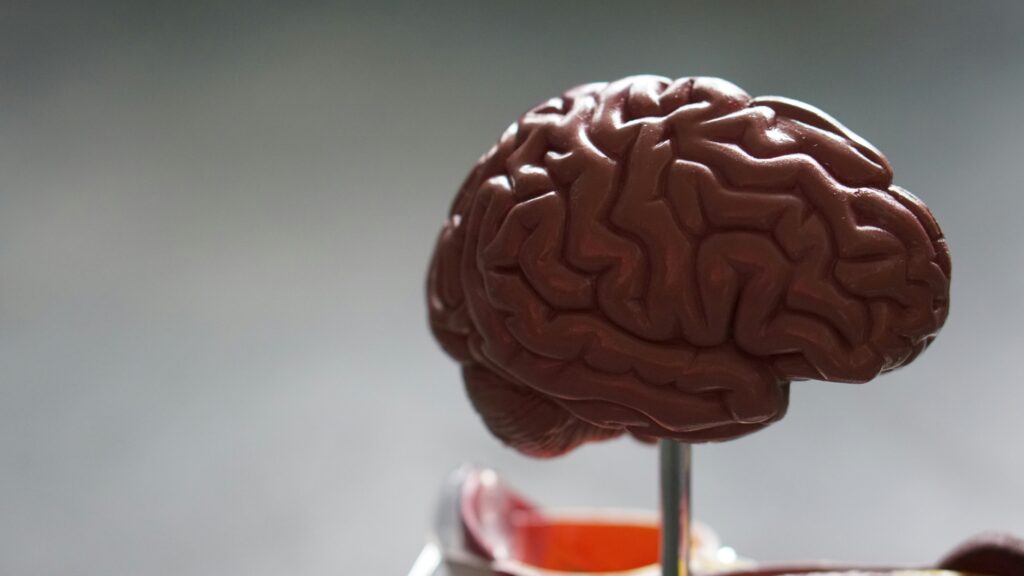
In the first five years of life, a child’s brain is in overdrive forming connections at a pace that won’t happen again. During this short window, the brain builds the architecture for memory, learning, attention, and social emotional skills. It’s where foundations are poured, brick by brick, for how a child will think, behave, and adapt later in life.
This isn’t just about physical growth. It’s about neural wiring. What a child eats during this time doesn’t just fill them up it shapes brain structure and function. The right nutrients help build the cells and connections that fuel everything from processing language to managing emotions. Miss those nutritional building blocks early on, and the gaps can be hard to close later.
So yes, the first five years matter. And so does what goes on the plate.
Key Nutrients That Fuel Brain Development
Proper brain development in young children depends on a steady supply of key nutrients. Each nutrient plays a specific role in forming, protecting, and powering developing brain cells. Here’s how each contributes to a strong neurological foundation:
Omega 3 Fatty Acids (DHA)
Supports the structure of neurons, which are the building blocks of the brain
Improves communication between brain cells
Essential for healthy vision and cognitive performance
Commonly found in fatty fish (like salmon), flaxseeds, and fortified foods
Iron
Critical for transporting oxygen to the brain
Vital for cognitive development and proper growth
Deficiency can lead to attention problems and slower learning
Found in red meat, beans, fortified cereals, and spinach
Zinc
Supports memory, attention, and overall learning ability
Plays a role in neurotransmitter function
Found in meats, legumes, nuts, and whole grains
Choline
Helps form healthy brain cells during rapid growth periods
A building block for acetylcholine, a key neurotransmitter involved in memory and mood
Found in eggs, lean meats, and some leafy vegetables
Protein
Provides the amino acids needed for neurotransmitter production
Supports tissue building across the brain and body
Promotes steady energy levels and cognitive focus
Sources include meats, dairy, eggs, legumes, and tofu
Vitamins A, D, B6, and B12
Vitamin A: Supports healthy vision and neurological development
Vitamin D: Regulates mood and supports nerve function
Vitamin B6 and B12: Help build and maintain nerve cells, support energy metabolism, and memory
Found in dairy products, eggs, fatty fish, fortified cereals, and leafy greens
These nutrients lay the groundwork for learning ability, emotional regulation, and long term mental health. Including a diverse and nutrient rich diet early on is essential for optimal brain development.
The Gut Brain Connection
It’s not just ‘you are what you eat’ it’s also what your gut does with what you eat. Inside every child’s digestive system lives a microbiome: trillions of bacteria quietly influencing everything from immunity to focus. And yes, the gut talks to the brain through nerve signals, hormones, and even the immune system. When the gut ecosystem is in balance, kids tend to show better mood regulation, sharper focus, and smoother energy levels throughout the day.
That balance depends heavily on two things: fiber and probiotics. Fiber from foods like oats, fruits, beans, and veggies feeds the good bacteria. Probiotics, found in yogurt, kefir, and fermented foods, help introduce beneficial strains. Together, they’re like a maintenance crew keeping the system tidy and functional.
On the flip side, poor digestion can mess with everything. Constipation, bloating, or food sensitivities may seem like minor issues, but they often signal a bigger imbalance in the gut. That imbalance can lead to inflammation which can directly affect brain performance, attention span, and behavior.
In short, a healthy gut gives kids a stronger shot at showing up mentally clear and emotionally steady. Digestion isn’t just a side function. It’s part of the foundation for learning and thriving.
Malnutrition and Learning Gaps

Undernutrition doesn’t just stunt physical growth it quietly erodes a child’s ability to focus, speak, and process information. Without enough essential nutrients, young brains miss key developmental windows. Attention span suffers first. Kids might seem distracted, restless, or struggle to follow simple instructions not because they aren’t capable, but because their fuel isn’t there. Language development is also slowed. Limited vocabularies, trouble forming sentences, and delayed speech are all linked to poor nutrition early on.
The effects compound over time. Children who start behind often stay behind, facing cognitive and behavioral delays that ripple into adolescence. Learning becomes harder, emotional regulation weaker, and confidence lower.
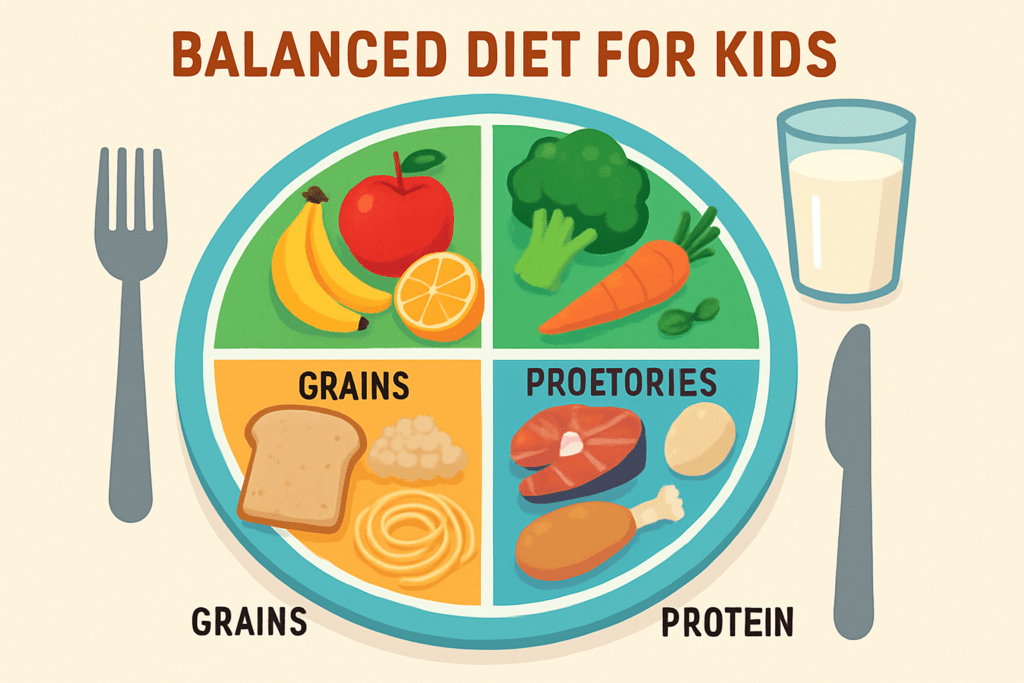
The fix isn’t complicated, but it takes consistency. Balanced, nutrient dense meals built around whole foods, healthy fats, proteins, and plenty of vitamins make the brain more resilient. When nutrition is steady, so is development. When it’s lacking even briefly the setbacks can last.
Feeding the brain is an everyday job. And skipping it isn’t an option.
Practical Tips for Parents
Feeding a child’s brain doesn’t have to be complicated it just needs to be consistent. Start by building meals around nutrient dense, brain boosting ingredients: fish like salmon (rich in DHA), eggs (packed with choline and protein), avocados (healthy fats for focus), leafy greens (iron and folate), and beans (fiber and slow release carbs for stable energy). Rotate these through meals and snacks to keep things fresh without relying on processed standbys.
Dealing with picky eaters isn’t about winning battles. Power struggles at the dinner table usually backfire. Instead, the trick is exposure and patience. Offer new foods alongside familiar ones. Let kids participate choosing recipes, helping with prep. Keep the pressure low and the routine steady. Sometimes it takes ten tries before a child accepts a new taste. That’s normal.
Timing is another overlooked factor. Young brains run on fast burning fuel, so spacing meals and snacks evenly across the day can help with energy and focus. Aim for three main meals and two snacks, around the same time each day. Structure builds brainpower it gives the body what it needs when it needs it, and it keeps moods (and meltdowns) more manageable.
Adapted Diets for Different Ages
As kids grow, their brains and bodies don’t just get bigger they shift gears entirely. Toddlers (roughly 1 3 years) are still developing basic motor skills, and their diets need to support rapid growth, brain wiring, and immune development. Small frequent meals, rich in healthy fats and iron, give them the energy and nutrients to keep up with this pace. Think avocado, full fat yogurt, eggs, lentils, and mashed veggies.
Preschoolers (ages 3 5), on the other hand, are mastering language, emotional regulation, and social interaction. Their nutritional needs broaden. They still need healthy fats and protein, but fiber, calcium, and a wider vitamin spread (from leafy greens, fruits, and whole grains) become key for sustaining growth and learning stamina. It’s also the right time to curb excessive sugar and processed snacks. Their taste buds are still moldable use that window.
Rather than chasing the latest supplements, most young children benefit more from real, whole foods. Whole foods come with fiber, phytonutrients, and better bioavailability things a gummy vitamin just can’t match. Unless a pediatrician has flagged a deficiency, supplements are often just expensive reassurance.
Still not sure if your child is getting what they need? That’s when to loop in a pediatric nutritionist. If your kid is super picky, has allergies, or struggles with appetite, a pro can help build a plan that works without the mealtime meltdowns. No need to guess or Google your way through it.
Supporting Research and Resources
The science behind brain focused nutrition isn’t new it’s supported by decades of research in neuroscience and developmental biology. Studies have consistently shown that the first five years of life lay the foundation for a child’s cognitive, emotional, and behavioral health. Nutrients like DHA, iron, and choline don’t just nourish they help physically shape brain architecture.
What’s more, the data doesn’t stop at early childhood. Long term studies show how early diets continue to shape brain performance into adolescence. Children with strong nutritional foundations early on show better outcomes in areas like attention span, memory retention, and academic performance.
For a deeper dive into the scientific background, check out this guide: Nutrition and Brain Function.
Core Takeaway
The first few years of life aren’t just about physical growth they’re the blueprint phase for the brain. What a child eats during this window literally shapes how their brain wires itself. Nutrients like DHA, iron, and choline don’t just support development they control it. Cells form faster. Neural connections fire more efficiently. It’s biology, not hype.
That’s why focusing on key nutrients isn’t optional it’s essential. These early building blocks pay off in sharper attention spans, stronger memory, and better learning capacity later. Think of it as brain architecture: better materials now lead to a more powerful structure down the road.
Caregivers are the invisible engineers behind this process. What’s on a child’s plate today matters more than most people realize. By shaping meals, they’re shaping minds and the ripple effects last longer than the high chair years.











































































































































































































































































































































































































































































































































































































































































































































































































































































































































































































































































































































































































































































































































































































































































































































































































































































































































































































































































































































































































































































 Family Activities & Lifestyle Contributor