When Life Doesn’t Follow the Handbook
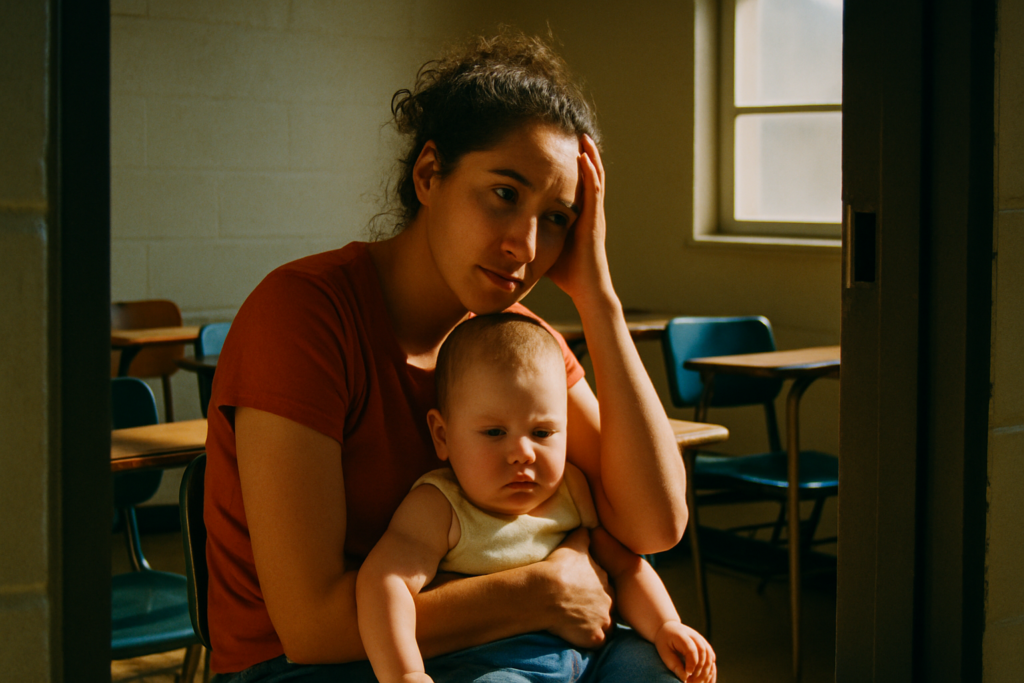
There’s this unspoken rule that parenting is supposed to follow a straight line: plan, baby, routine, milestones, done. But real life rarely cooperates. No two parenting stories are alike, and that’s not just okay it’s the whole point. Some parents raise a child while grieving. Others start the journey later in life, or on their own, or through adoption. Some kids have medical needs, learning differences, or just wildly individual personalities. The blueprint doesn’t hold for long.
These unexpected turns challenge everything we think parenting is supposed to look like. You realize fast that the so called norms were never built with your story in mind. And once you see that? You stop trying to measure up to someone else’s version of perfect. The pressure to parent a certain way starts to fade.
Instead, it becomes about alignment. You reshape your idea of what being a good parent looks like for your family, your situation, your values. Acceptance doesn’t mean giving up on better it just means letting go of imaginary checklists. The path may be jagged, but it’s yours. That counts.
The Power of Adaptability
Parenting has a way of shredding even the best laid plans. You can have your color coded calendars, five year goals, and parenting books but real life will laugh at all of them. Kids don’t follow scripts, and neither do the circumstances around them. Jobs shift. Relationships are tested. Identities evolve fast, sometimes overnight. Adaptability isn’t a nice to have; it’s how you survive.
Letting go of rigid expectations means learning to respond instead of control. For some, that looks like leaving a steady job for flexibility. For others, it’s accepting the new version of yourself that emerged after becoming a parent or the one that slowly revealed itself through the chaos.
The most resilient parents learn to pivot constantly. They make peace with uncertainty and share the mess without shame. It’s not about being fearless; it’s about being honest. When we trade the illusion of control for clarity and communication, we grow alongside our kids. And that’s the win that lasts.
What Kids Teach Us
Children aren’t just growing so are we. The more time we spend guiding them, the more we realize they’re guiding us, too. Unexpected parenting journeys highlight this truth even more vividly.
Emotional Intelligence From the Ground Up
One of the most profound lessons children teach is how to feel fully. From toddler tantrums to teenage withdrawals, kids mirror emotional storms we’ve long been taught to suppress. Instead of avoiding these moments, parents often find:
Emotional triggers become opportunities for self reflection
Conversations about feelings become daily training grounds for empathy
Emotional vocabulary expands both for children and adults
Kids as Collaborators in Resilience
Resilience isn’t something we simply pass down it’s something we build together. When families face unexpected circumstances, children often rise in ways no one could have predicted. Together, you learn to adapt, stay grounded, and bounce forward.
Key ways kids contribute to household resilience:
Asking honest questions that spark real conversations
Modeling flexibility and humor in difficult moments
Teaching adults that vulnerability can be a strength, not a weakness
Redefining Strength Together
Forget the old notions of strength being about stoicism and self denial. Children show us that strength can mean asking for help, trying again after a meltdown, or simply showing up with love after a hard day.
As a result:
Strength becomes a shared value rooted in connection, not control
Families prioritize emotional safety as much as physical safety
The definition of a “strong parent” evolves to include softness, presence, and humility
Kids don’t just grow up in our care they raise us, too. And in the most unexpected of parenting paths, we often discover their greatest gift: the power to teach us how to be more fully human.
Building Support Systems That Actually Work

Traditional parenting advice can feel like navigating a map of a city that no longer exists. It’s often generalized, unrealistic, or written for a different time, family dynamic, or set of challenges. That’s why a lot of well meaning guidance falls flat when you’re in the thick of something messy, unpredictable, or uniquely yours.
The real lifesavers? They’re not usually found in how to books. They’re your therapist who gets your context without judgment. That one friend who listens without fixing. The online community that shows you you’re not the only one going through it. These are the support structures that actually hold up under daily life raw, complex, unfiltered.
Finding your people isn’t always easy, but it matters. Look for local parenting groups that reflect your reality not just your zip code. Try targeted subreddits, Facebook groups, Discord servers. Think digital village. If you can, therapy helps. Big time. The bottom line: a support system doesn’t have to be big it just has to be solid, safe, and real.
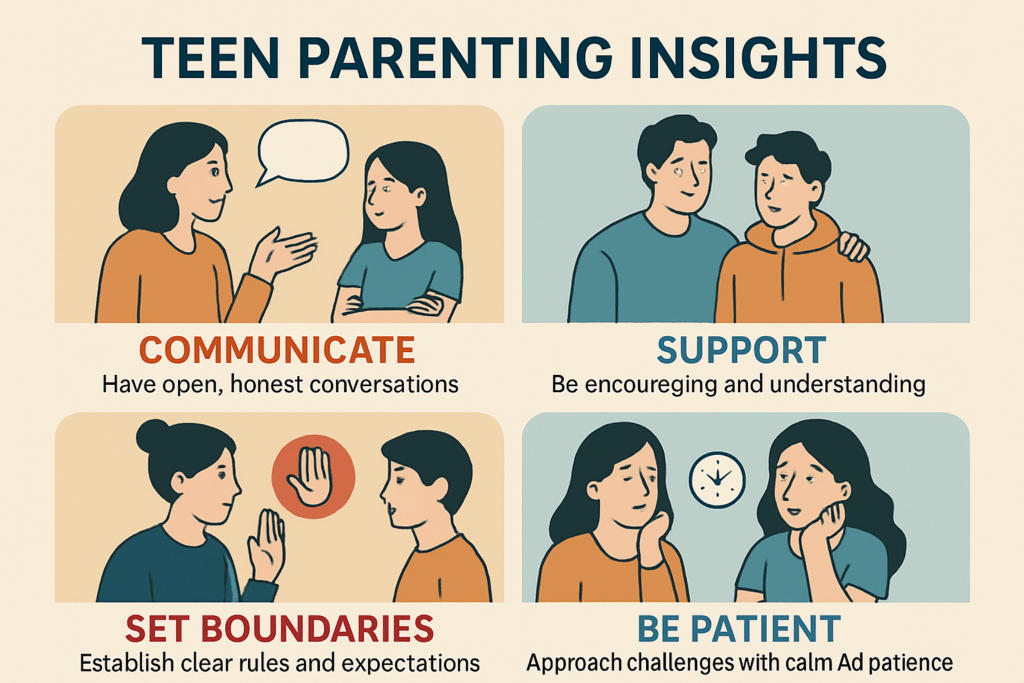
Navigating Teen Parenting With Grit
Parenting teens isn’t about picture perfect moments. It’s about showing up when it’s hard when your kid pulls away emotionally, when school feels like a battlefield, when side talk from others turns into full blown judgment. Teen parents often carry more weight than most realize. There’s pressure to be both provider and cheerleader, while silently managing stigma that sticks tighter than it should.
The truth? Teens don’t come with easy settings. Many grow up fast, not always by choice. Independence might mean juggling jobs between classes, raising younger siblings, or navigating adult sized issues before turning eighteen. And all this happens while public systems education, healthcare, social services often overlook their specific needs.
So how do you stay grounded? Connection over control. You don’t have to be a perfect listener, but you do have to be present. Ask questions. Accept silence. Keep a rhythm of checking in, even if they seem uninterested. Stick around long enough, and they talk. Not every victory will be visible. Sometimes it’s just a calm dinner. A good grade. A skipped argument.
For more on what real teen parenting looks like and what actually helps check out these teen parenting lessons that don’t sugarcoat the struggle but still leave space for hope.
Growth Beyond the Milestones
Traditional parenting advice likes to measure progress in clean lines first steps, first words, report cards, diplomas. But when your journey doesn’t follow a neat timeline, you’re forced to rethink what success actually means. And maybe that’s not a bad thing.
For many parents, especially those navigating harder or more unconventional paths, milestones start to look different. Success becomes about connection, not checklists. It’s the eye contact after a meltdown, the self made win your kid stumbles into, the moment you react with patience instead of panic. These are the quiet victories that don’t show up in newsletters but matter way more.
Unexpected parenting journeys have a way of sanding down ego. Plans fall apart, social norms stop fitting and instead of trying to sprint to some ideal, you learn to walk alongside what’s real. Gratitude sneaks in. So does humility. You stop asking, “Is my kid measuring up?” and start asking, “Are we showing up for each other, as we are?”
In the process, you change too. You get more flexible, more honest, more tuned in. You grow not because you had a blueprint, but because you let go of having one. That evolution isn’t a detour. It’s the point.
Real Talk, Real Lessons
Parenting isn’t a perfectly curated feed. It’s a collection of rough mornings, last minute wins, and quiet moments you don’t post about. The victories aren’t always photogenic but they count. Survived the day? Win. Made a kid laugh after a meltdown? Bigger win. We’ve got to stop waiting for the gold star moments. The messy ones matter too.
The truth: parenting is a marathon with no clear finish line. There’s no perfect stage where everything clicks and stays that way. You keep showing up, even when you’re tired, unsure, or just making it up as you go. That’s not failure that’s the job. Real growth lives in the imperfect attempts, not the flawless outcomes.
And in the end, not everything comes with us. We let go of guilt. Of comparison. Of ideas that didn’t work or never fit us anyway. What we carry forward is lighter: a sense of humor, resilience, and the ability to bounce back. Those are the actual trophies. They’re quiet, but they last.










































































































































































































































































































































































































































































































































































































































































































































































































































































































































































































































































































































































































































































































































































































































































































































































































































































































































































































































































































































































































































































 Family Activities & Lifestyle Contributor