
Why Everyday Moments Matter
Toddlers don’t learn words from flashcards. They learn them from hearing the same ones, over and over again, in the same places. When you say “shoes” every morning while getting dressed, or “wash hands” before meals, those words start to stick. It’s not repetition for the sake of it it’s repetition tied to context. That’s how language roots itself in a toddler’s world.
Daily routines give toddlers something they can count on. That stability isn’t just comforting; it’s instructive. A regular flow wake up, get dressed, eat, play, rest is a built in language playground. It signals what to expect and what words connect to those experiences.
And here’s the real kicker: talking to your toddler isn’t just killing time. It’s teaching. Every sentence, question, and comment is a learning opportunity. It doesn’t have to be complex. “Let’s put on your blue hat” or “Where did the ball go?” does the job. It’s in these small, repeated moments that big leaps in language happen.
Morning Interactions That Build Vocabulary
Getting your toddler dressed isn’t just about getting out the door it’s full of tiny teaching moments. Naming each piece of clothing as you go (“Here’s your shirt… now your socks… let’s zip your jacket up”) helps build recognition and connection. You’re turning routine into repeatable language lessons without much extra effort.
Narrating what you’re doing keeps the language flow steady. Simple things like, “Let’s brush your teeth now,” or “I’m tying your shoes” give your child consistent exposure to verbs and actions anchored in real life. You’re modeling how language tracks with behavior.
Don’t forget to ask questions, too the open kind. “What would you like to wear today?” is better than “Do you want this shirt?” because it hands the mic to your toddler. Even if they don’t have a solid answer yet, you’re creating space for them to try and that’s the point.
Mealtime: A Built In Language Lab
Mealtime is more than feeding it’s a chance to build vocabulary, naturally. Start with naming the obvious: foods, colors, temperatures, and textures. “This is rice. It’s white and soft.” or “That’s broccoli it’s green and crunchy.” Over time, toddlers connect words with sensations, tastes, and smells.
Offer simple choices to encourage expression. Ask, “Banana or apple?” instead of just handing something over. These little decisions give kids ownership and motivate them to speak up.
Descriptive talk also adds value. Instead of just saying “Eat,” try, “The soup is warm and smells nice.” It models language that helps toddlers learn how to describe experiences. No need to overthink it just narrate what’s real and right in front of you. The vocabulary will follow.
Keep meals unrushed when you can, and talk as you serve, taste, and clean up. This everyday routine can teach more than you might expect.
Playtime and Storytime: Natural Language Boosters
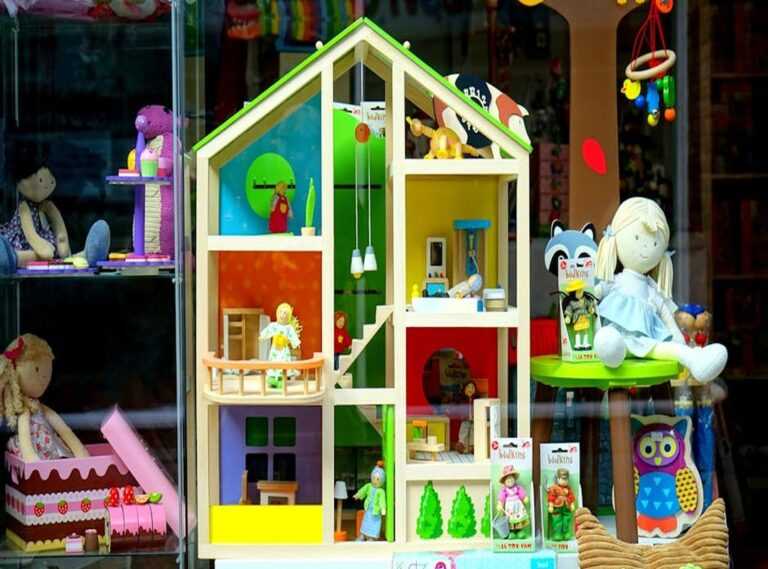
Toys aren’t just for fun they’re tools for language growth. Hand your toddler a set of blocks or animal figures, and you’ll see stories unfold. Encourage them to talk through their play: “Where is the elephant going?” or “What happens next?” This kind of imaginative play builds narrative skills and vocabulary without ever feeling like a lesson.
Picture books deliver similar power. Don’t just read pause. Ask what they see on the page, who the characters are, how they feel, or what might happen next. It turns passive listening into active thinking. Even the same book over and over helps solidify words and patterns.
And yes, the old songs and rhymes still work. Repetitive, rhythmic language sticks. Sing while cooking, during bath time, or on walks. Toddlers don’t mind out of tune renditions they hear the patterns, not the perfection.
Keep it playful, keep it going. Language grows where curiosity leads.
Routines at Bedtime: Slowing Down, Talking More

Bedtime offers a quiet stage for connection, and with toddlers, that means plenty of chances to build language without forcing it. Bath time is a simple routine, but it’s loaded with talking opportunities. Label body parts while washing arms, knees, toes. Count the bubbles. Talk about the water: is it warm, splashy, or calm? Keep your tone steady, but stay flexible. The goal is exposure, not quizzes.
When it’s time for books, don’t just read talk. Pause now and then to let them point or react. Ask things like, “What do you think happens next?” or “Who is that?” If they answer with one word, expand on it. You’re not testing them, you’re modeling how speech stretches.
Finally, a quick recap of the day gives closure while reinforcing memory and vocabulary. Ask, “What did we see at the park?” or “Do you remember the red ball?” Let them add pieces, or just listen. Even if they’re tired, the rhythm of this regular chat helps turn routine into learning without pressure.
Keep It Simple, But Keep It Consistent
Language growth doesn’t need bells and whistles it needs rhythm. One of the easiest, most powerful tools? Repetition. Saying the same key words and phrases each day turns them into familiar anchors for your toddler. “Up,” “all done,” “more,” and “let’s go” may seem small, but repeated often, they become building blocks for early communication.
Next up: eye contact. It’s simple, but it matters. Make space for back and forth interaction. Say something, look at your toddler, and wait. Even if they don’t respond right away, you’re teaching that conversation is a two way street. It takes patience, but that’s part of the process and the payoff is worth it.
Lastly, limit the tech pull. Screens are built to distract, but toddlers learn language best from real people, not passively watching a cartoon or an app. That one on one attention your voice, your face, your words is irreplaceable. So when you’re talking, put the phone away. It makes all the difference.
Spotting Early Language Milestones
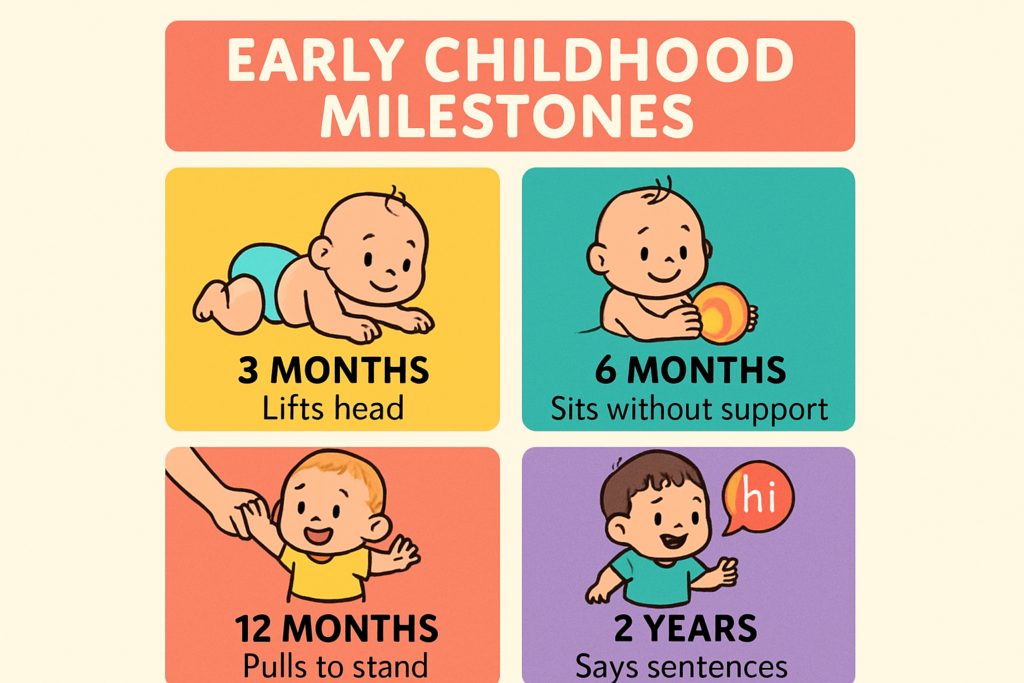
Understanding how toddlers typically develop language is key to supporting their growth. While each child moves at their own pace, there are common markers parents and caregivers can look for.
Typical Milestones to Look For
By certain ages, most toddlers reach some foundational milestones related to speech and understanding:
12 15 months:
Begins saying simple words like “mama” and “dada”
Tries to imitate sounds
Understands basic directions like “come here”
18 24 months:
Builds a vocabulary of 20 50 words
Starts combining two words (“more juice,” “go park”)
Points to body parts when asked
2 3 years:
Uses short sentences and starts answering simple questions
Can follow two step directions (“pick up the ball and bring it to me”)
Others understand most of what they say
When to Watch for Delays
Every toddler develops differently, but certain signs may suggest it’s time to check in with a professional:
No words by 16 months
Limited interest in communicating or interacting
Difficulty following simple directions
Noticeable frustration when trying to speak
If you have concerns, it’s okay and encouraged to talk to your pediatrician. Early intervention can make a big difference.
Helpful resource: Check out this guide to early developmental milestones for more detail.
Making It Work Even on Busy Days
Life with a toddler doesn’t hit pause for perfect conditions. That’s fine language learning doesn’t need a quiet room or flashcards. It fits into the hustle. Just narrate what you’re doing: “We’re putting rice in the pot now,” or “I’m folding your dinosaur shirt.” You’re helping your toddler connect words with actions and objects, even if it’s during your third load of laundry.
Driving? Describe what you see: “Red light, green light. That’s a big truck!” Shopping? Let them help you find the bananas. These little exchanges build vocabulary without adding anything to your to do list.
Quick naming games like “Where’s the spoon?” or “Can you find the blue cup?” work anywhere. Keep it light. Keep it moving. You don’t need a long talk just consistent interaction. A handful of words said meaningfully beats a flood of noise. Focused moments, even short ones, leave a mark.
Final Notes for Parents
You don’t need expensive toys, flashcards, or specialized apps to help your toddler build language. What matters most is showing up being present, engaged, and responsive. The tools are already in your hands: your voice, your child’s routines, and the moments you share.
Language grows when conversations happen naturally, not under pressure. When your child points, you describe. When they babble, you respond. Little interactions the kind that happen while brushing teeth, riding in the car, or folding laundry add up to real learning. The key isn’t perfection. It’s connection.
Stay curious. Ask questions. Listen more than you speak. When your child feels seen and heard, their words come faster, stronger, and with confidence. All it takes is your attention and your love, over and over again.




































































































































































































































































































































































































































































































































































































































































































































































































































































































































































































































































































































































 Family Activities & Lifestyle Contributor