Modern Parenting Meets the Influencer Era
Parenting advice used to come from a handful of places: books, pediatricians, maybe your own parents if you were lucky. That’s changed. Today, you’re more likely to find answers about toddler tantrums or feeding schedules from someone on Instagram who films their morning routine in matching sweatsuits. This shift didn’t happen overnight it rode the wave of social media, video content, and a craving for real, lived experience.
Enter the momfluencer and dadfluencer. They don’t wear lab coats or write medical journals. They shoot day in the life vlogs, post raw confessions at midnight, and share Amazon hauls that somehow decide what toys end up in your living room. Over time, they’ve become the go to voices for parenting wisdom. Why? It’s simple: relatability. They’ve been where you are. They show the mess as much as the wins. And psychologically, that matters. People trust people who feel like them more than faceless institutions. Influencers offer consistency, familiarity, and emotional resonance qualities that often beat clinical credentials when you’re sleep deprived and need help fast.
So while experts still matter, they’re now in competition with daily vlog updates and heartfelt captions. The parenting handbook isn’t a book anymore. It’s a feed and it updates hourly.
The Power of Curated Lifestyles
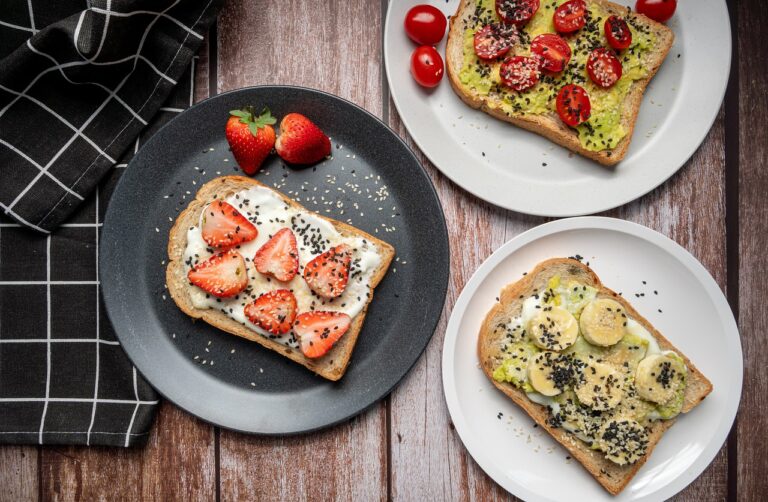
Scroll any parenting influencer’s feed and you’ll see it: color coordinated toy bins, toddler meal preps that look like art, morning routines lit by golden hour light. It’s a world where chaos is cropped out and every moment looks intentional. This kind of content doesn’t just entertain it shapes what parents think good parenting should look like.
The trouble is, those picture perfect routines can quietly set unrealistic expectations. When every nap is documented and every meltdown is edited out, real life parents start to wonder if they’re doing something wrong. Aesthetic becomes standard. Achievable or not, many feel pressure to keep up.
It’s not all bad these curated feeds can inspire better habits, spark creativity, and offer glimpses into systems that work. But there’s a tipping point. When inspiration turns into comparison, and comparison turns into guilt, the scroll stops serving you. Recognizing that line is the start of taking back control.
Curation isn’t the enemy, but it’s not the full story either. The key? Consume with awareness. No one is parenting perfectly all day, every day even if that’s how it looks on your screen.
Setting New Cultural Standards
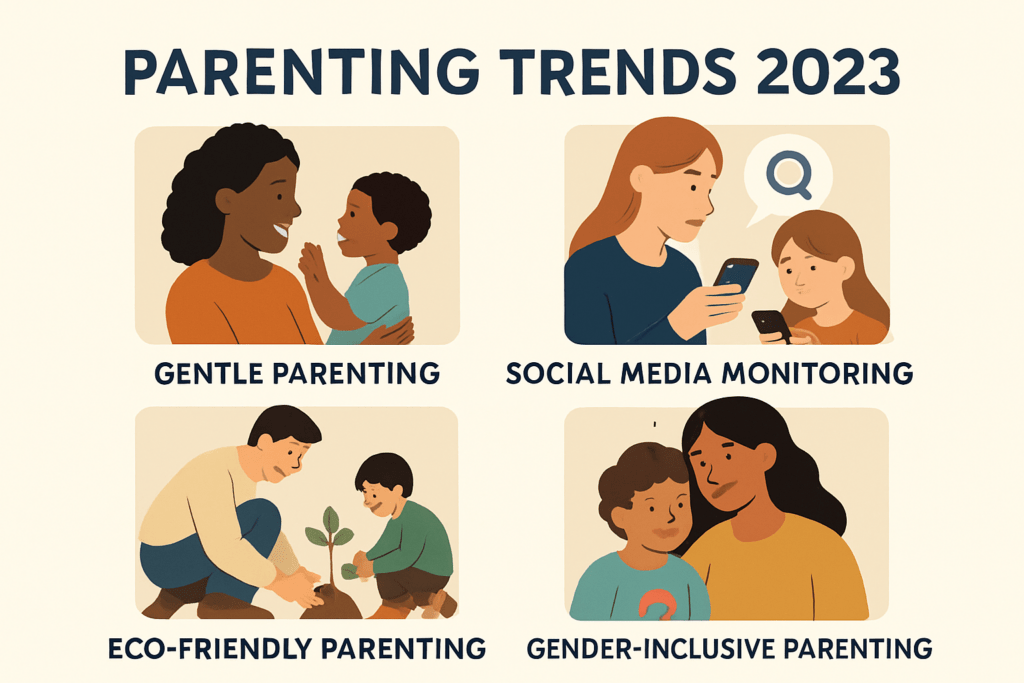
Open Instagram or TikTok and you’ll see it: parenting isn’t just personal anymore it’s content. Influencers have turned their styles into signals, shaping expectations for what “good parenting” looks like in 2024. Gentle parenting, Montessori toys stacked in aesthetically pleasing baskets, and kids raised without screens these ideas aren’t just philosophies now, they’re trends. And followers are not just watching; they’re adapting, experimenting, adjusting their own routines based on what goes viral.
The constant posting of daily routines, chore charts, and carefully phrased emotional coaching has shifted the baseline. What once seemed niche like calmly negotiating with a toddler mid tantrum now feels like the bar. Viral reels make it seem like you’re supposed to have patience, wooden toys, and an attachment based communication style at all times. Even chaos is curated, and that filters into how real life parents evaluate themselves and each other.
We’re also seeing a broader redefinition of roles. Mom isn’t just managing the house she’s the family’s content strategist. Dad isn’t the sidekick he’s the co parent on camera with his own following. Influencers are helping break old gender scripts, whether intentionally or not. Co parenting has become more visible, and more performative. And that’s the paradox of it all: what starts as honesty and vulnerability gets shaped, polished, and posted until even authenticity becomes something to keep up with.
Authenticity, Monetization and Trust
Parenting influencers walk a fine line. One minute they’re posting a candid video about their toddler’s meltdown, and the next, they’re promoting a diaper brand. The mix of authenticity and monetization is tricky audiences want the real stuff, but those same audiences also know the bills don’t pay themselves.
The moment a post is sponsored, credibility takes a hit especially in parenting spaces where trust is earned slowly and lost fast. Parents don’t just follow momfluencers or dadfluencers for entertainment; they’re leaning in for advice, solidarity, and sometimes direction. If a product push feels forced or out of sync with the creator’s usual vibe, followers notice. And they question it.
That said, not all branded content is a red flag. Some influencers handle it with finesse: clearly labeling partnerships, only working with products they actually use, and explaining why they back it. Transparency like that builds confidence.
For parents consuming influencer content, it’s about staying alert. If a creator is constantly selling but rarely sharing authentically, that’s a sign to pause. On the flip side, if the sponsored stuff flows naturally into an honest, relatable narrative, that’s probably someone worth trusting. A little skepticism is healthy. So is giving credit when creators get it right.
Parenting in the Comments Section
You’d think it’s the content that changes minds but more often, it’s the comments. In the digital parenting space, community response weighs as much as the video itself. A clip about sleep training might be posted neutrally, but scroll down and you’ll hit a wall of hot takes some cheering it, some calling it cruel. That reaction loop becomes the real arena where beliefs are shaped.
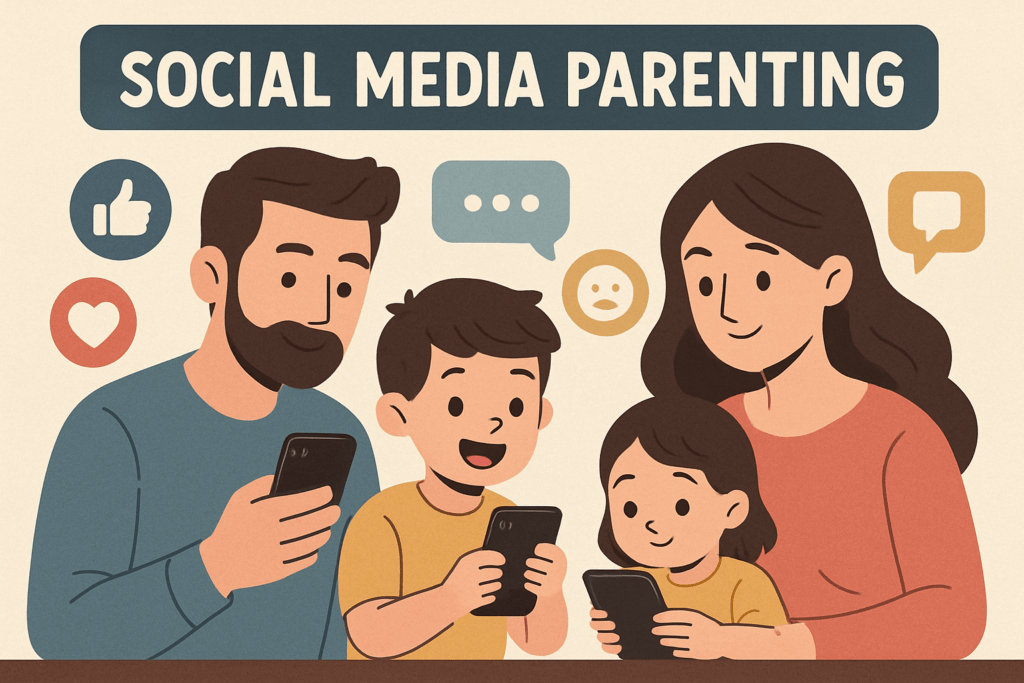
Peer validation runs the show. A video isn’t just advice until it’s liked, shared, and backed by other parents in the trenches. Those likes and follows the digital applause give certain parenting styles weight. At the same time, they build pressure. Parents aren’t just consuming advice; they’re performing their values in front of an audience that might applaud or attack.
It gets messy fast. A place that starts as supportive can shift into a judgment fest overnight. The same community that once offered encouragement can turn critical if your choices don’t line up with trending norms. To survive it, parents need filters for content, for noise, and for their own sense of direction. Because ultimately, the loudest voice in the room shouldn’t be the one in your comments.
Navigating It All as a Modern Parent
It’s easy to get caught in the scroll. One minute you’re watching a peaceful bedtime routine; the next, you’re questioning if you’ve been doing everything wrong since birth. Parenting influencers can be inspiring, but if you’re not careful, they’ll start making your life feel like a series of mistakes.
First, understand this: most of what you see online is edited. Filtered. Staged. It doesn’t make it fake but it’s not the whole picture. You’re not doing it wrong just because your toddler’s breakfast isn’t served on bamboo plates.
Know your limits. Curate your feed like you’d curate your child’s environment. Unfollow content that makes you feel more judged than supported. Follow creators who show the messy days, not just the highlights.
Build confidence by focusing on what works for your family. If bedtime stories beat sensory bins in your household, that’s real parenting. Comparison won’t help you up your game it just fogs up your instincts.
You’re the expert in your home. Everyone else even the influencer with a million followers is just offering ideas, not commandments.
For more grounded perspectives, check out this take on modern parenting in the digital age: Understanding the Impact of Social Media on Parenting.
Want to Go Deeper?
Navigating the modern parenting landscape influenced by social media isn’t straightforward. There’s a lot of noise, and not everything trending is backed by sense or science. If you’re looking for more than surface level tips, it helps to tap into trusted guidance rooted in research and lived experience.
The folks at Mum Tales Hub have pulled together an in depth look at how platforms, influencers, and parenting culture intersect. It dives into algorithm dynamics, content pressure, and how to stay anchored while consuming parenting advice online. Whether you’re a new parent piecing things together or a seasoned one trying to filter the chaos, this resource brings clarity.
For a fuller picture, explore more research and expert backed strategies on social media parenting.
























































































































































































































































































































































 Founder & Chief Editor