
First Year: Foundations That Shape Everything
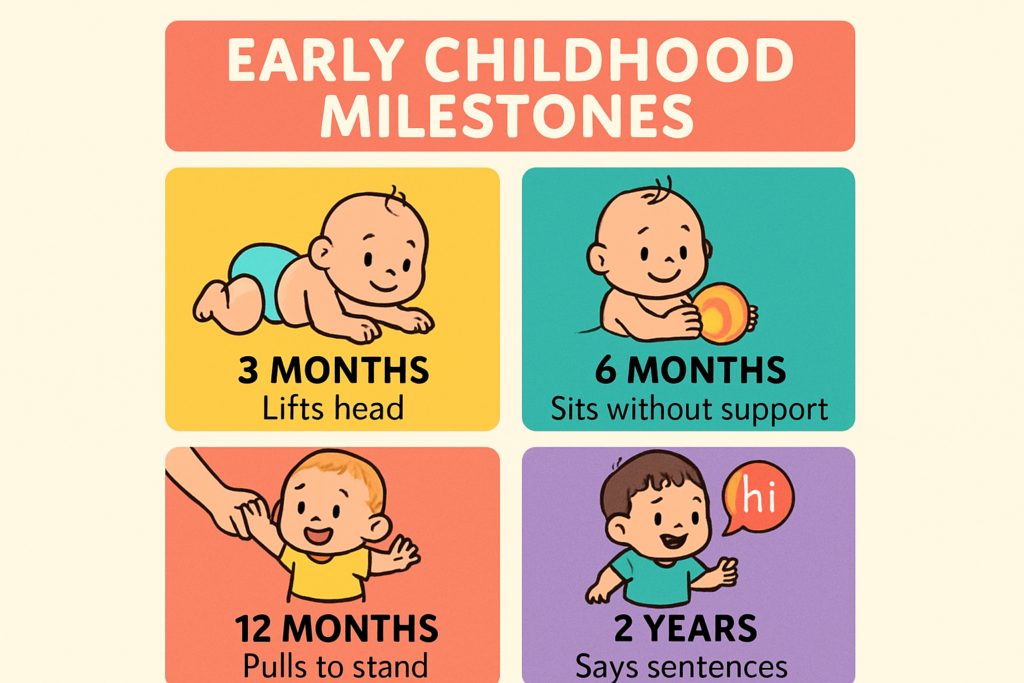
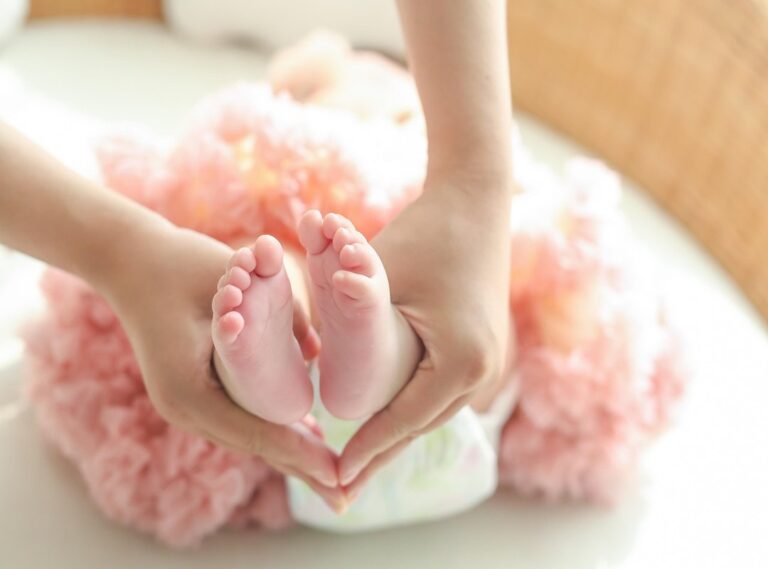
The first year of life is all about small wins that lay the groundwork for everything that follows. Babies start by lifting their heads, then rolling over, and eventually sitting upright without help. These movements seem simple, but they’re big steps in muscle control, coordination, and independence.
Smiles show up next a baby’s first real way of connecting. By a few months in, that smile turns into babbles and early sounds, then first words like “mama” or “dada.” These early attempts at communication help shape their relationship with you and with the world around them.
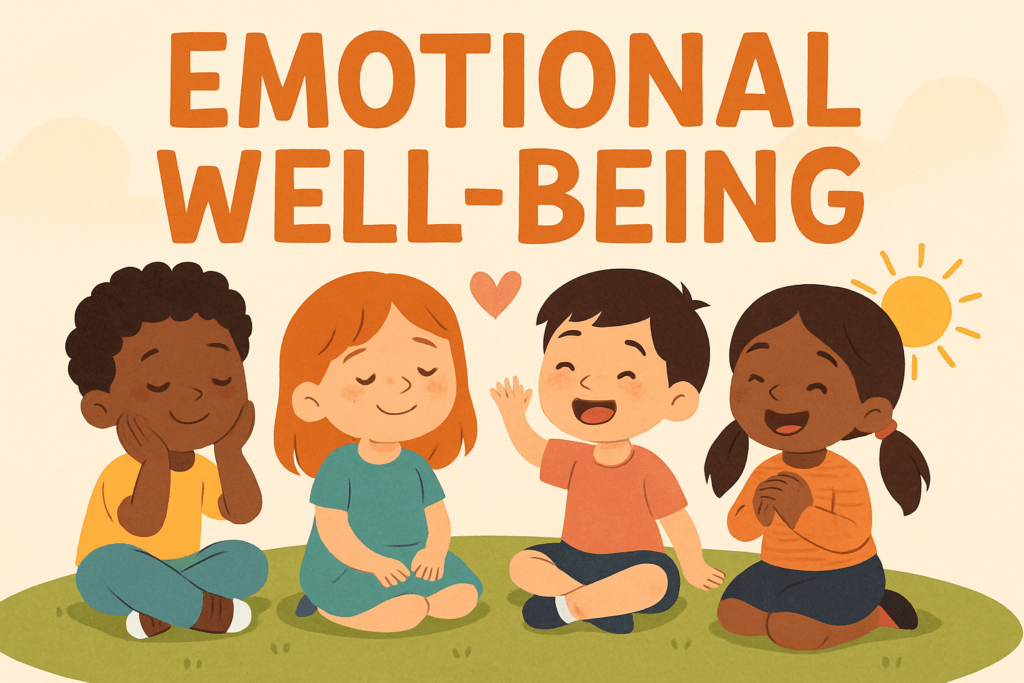
Emotional bonds matter just as much. The way you respond eye contact, soothing sounds, skin to skin connection actually impacts how your baby’s brain forms. It’s not about doing it perfectly. It’s about showing up consistently. Responsive parenting builds trust and makes babies feel safe enough to explore, learn, and grow.
For more on what to expect and how to support development at each step, check out this early childhood development guide.
Ages 1 2: Moving, Mimicking, Exploring
This stage is where toddlers get mobile and life gets a bit louder. Most kids learn to walk sometime between 12 and 18 months. Once they’re up on two feet, it’s a rapid shift to climbing furniture, opening drawers, and testing every boundary in arm’s reach. Grasping and holding objects improves too, opening up new ways to interact with their world (and make a mess).
Along with movement comes imitation. Toddlers at this age love to copy what they see feeding a toy, brushing their hair, or pretending to talk on the phone. It’s how they start making sense of the social world, and why simple role play matters more than it seems.
Language takes a big leap here. First comes single words like “mama” or “ball,” followed quickly by two word phrases like “more juice” or “go outside.” Even if pronunciation is fuzzy, their understanding soars. They know way more than they can say.
Emotionally, it’s a rollercoaster. You’ll see fierce attachment to caregivers and explosive frustration when things don’t go their way. Tantrums are normal at this age. While it’s tough in the moment, this is all part of learning to regulate big feelings in a still developing brain. They’re not giving you a hard time; they’re having a hard time.
Ages 2 3: Language Explosion and Social Skills
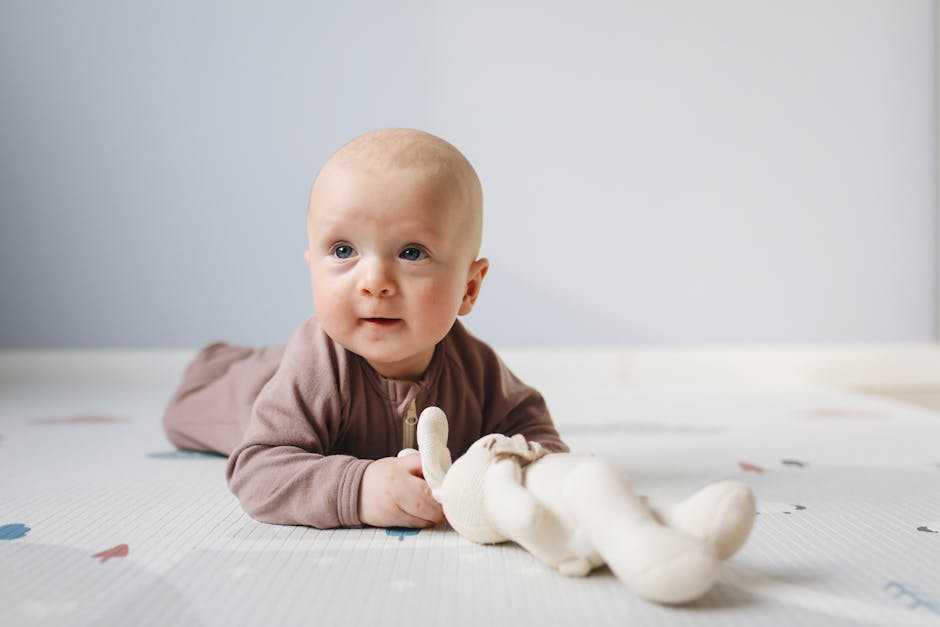
Between ages two and three, kids go from labeling their world to trying to describe it. One week they’re listing objects; the next, they’re stringing sentences together. You’ll start hearing things like “I want juice” or “Where did dog go?” clear signs of rapidly expanding language skills. They’re also asking more questions, copying your tone, and experimenting with how words get reactions.
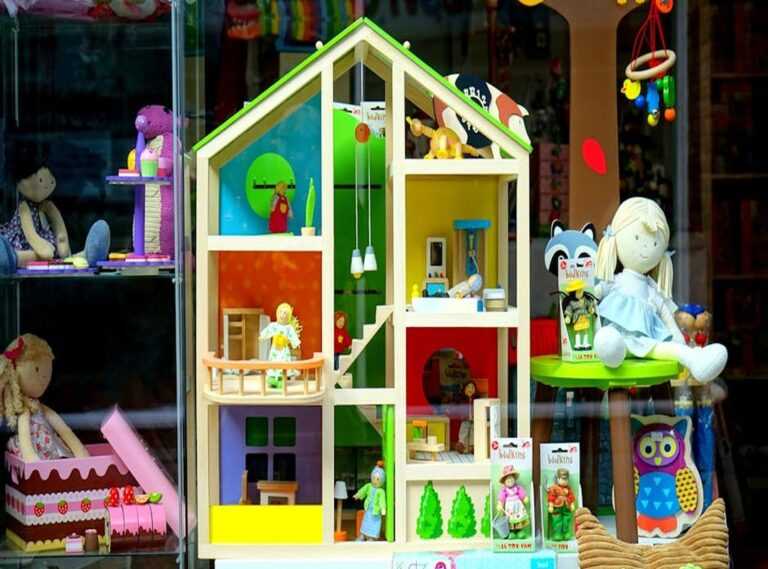
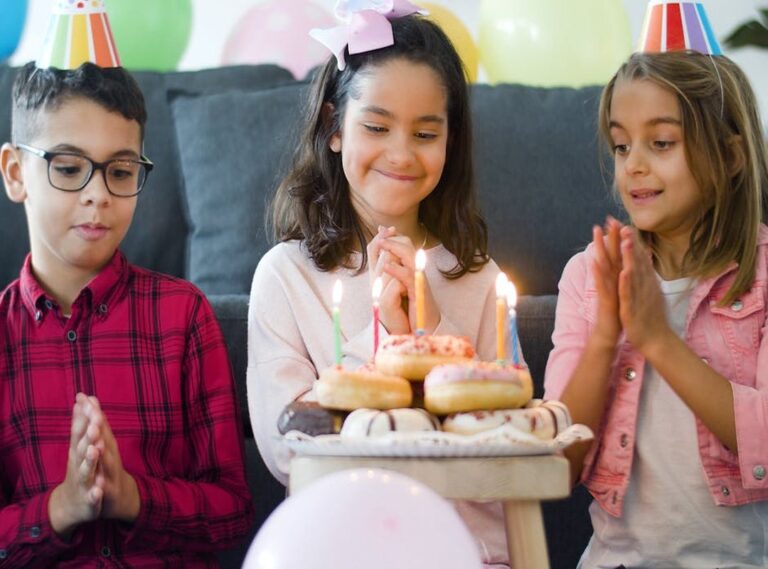
Play becomes less about parallel tracks and more about connection. Instead of playing side by side, toddlers begin to interact trading toys, chasing each other, or trying out simple roles like “parent” and “baby” during pretend play. It’s clunky at first, but this is where they start building social muscles.
Imagination also kicks in hard. A block isn’t just a block it’s suddenly a car, a cookie, or a phone. Kids this age begin testing out ideas, solving basic problems, and exploring cause and effect (“What happens if I stack these?”). They’re learning by doing, not just watching.
Emotionally, the highs and lows are still real, but you may notice signs of better regulation. They might stomp off instead of throwing something. Or they’ll come back for a hug after saying “no” a dozen times. These are small but meaningful shifts. It shows they’re starting to manage feelings, not just react to them.
Ages 3 4: Independence and Curiosity Spike
By age three, kids have questions lots of them. “Why is the sky blue?” “Why do dogs bark?” They’re not just filling silence. They’re trying to make sense of everything around them. This nonstop curiosity is actually a sign of healthy thinking. Now’s the time to stay patient, even when the fifth “why” hits before you’ve had coffee.
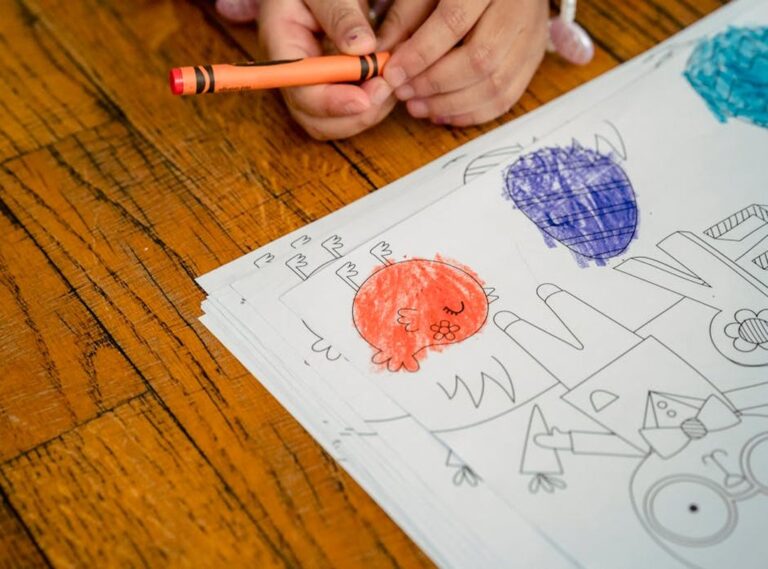
Motor skills are coming alive too. You’ll see attempts at drawing circles, dressing themselves, and building stories during pretend play. It’s messy, sure, but it’s also how they rehearse real life situations, emotions, and social roles.
Rules start to click during this stage. Kids can follow simple expectations putting toys away, saying “thank you,” or waiting their turn. They also begin to grasp the idea of cause and effect, which is big. If I throw sand, playtime ends. If I help clean, I get a high five.
Socially, things get more dynamic. There’s more back and forth in play, more awareness of other kids’ feelings, and the first sparks of real empathy. A dropped toy gets returned. A hurt friend gets a hug. It’s not perfect, but it’s growing.
This age is loud, curious, and full of small wins. And all of it matters.
Ages 4 5: School Readiness and Confidence
By age five, kids are on the edge of independence, and it shows in how they think, communicate, and move. Letter and color recognition becomes second nature they’ll point out red stop signs, blue shoes, and the first letter of their name with confidence. Counting objects (blocks, snacks, toy cars) slides into daily play, laying the groundwork for basic math.
Directions no longer have to be one step and simple. Ask them to put away their shoes, grab a snack, and meet you at the table and they’ll likely follow through (or at least try). This expanding ability to carry out multi step tasks marks a major cognitive jump.
Emotionally, big strides happen too. Self control kicks in: waiting their turn, using words during conflict, and bouncing back after disappointment. These aren’t always smooth moments but the progress is clear. The social brain is coming online.
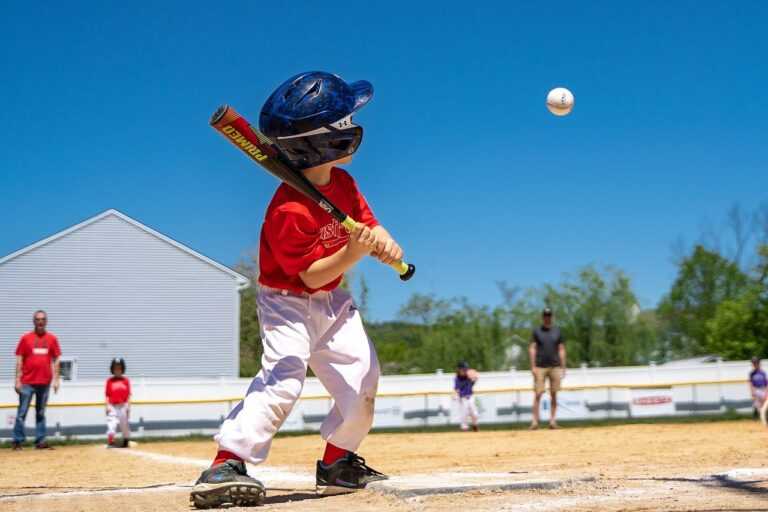
Physically, it’s a blast to watch. Hopping on one foot, skipping across the room, balancing on a beam at the park body coordination is leveling up fast. And with it, confidence. Big moves, big emotions, and more complex thinking all show how far they’ve come.
For more insights, check out this guide on early childhood development.
Staying Tuned In as They Grow
No two kids grow quite the same and that’s not just okay, it’s expected. One child might be building towers while another is still figuring out how to hold a block. Comparing them doesn’t help anyone. Development isn’t a race. It unfolds in bursts, stalls, and leaps, often in ways you don’t see until you look back.
What does help is paying quiet attention. Watch closely. Is your child trying new words? Showing empathy? Problem solving in their own way? Those small actions speak volumes. Support becomes powerful when it’s grounded in positive guidance nudging, not pushing. Correct gently. Celebrate effort. Let your child know that progress matters more than perfection.
Every new skill, no matter how small, builds the base for what’s next. That scribble today might turn into confident writing tomorrow. That meltdown you help them through now prepares them for more complex emotions later. Childhood isn’t just a stage they’re laying the bricks of who they’ll become. Be there to notice. Be there to cheer.










































































































































































































































































































































































































































































































































































































































































































































































































































































































































































































































































































































































 Founder & Chief Editor