
Smarter Devices, Smarter Decisions
Modern parenting has a new toolkit and a lot of it runs on AI. Baby monitors now do more than transmit audio; they track breathing, flag irregular patterns, and send alerts straight to a parent’s phone at 3 a.m. Smart thermometers log fevers automatically, and tiny wearables monitor heart rates and sleep cycles in real time. The result? Parents get instant insights they once had to guess at.
There’s power in that kind of data. Sick kids get faster care. Subtle shifts in sleep can be addressed before they become full blown issues. Some parents call these tools a digital sixth sense less guessing, more knowing.
But the flipside is friction. Tracking everything can turn into a quiet pressure, where parenting becomes performance. The line between helpful tech and hyper vigilance gets blurry fast. Being constantly notified doesn’t always feel empowering it can feel exhausting.
That’s why a growing number of parents are stepping back not ditching devices completely, but choosing tech that complements rather than controls. Less screen heavy, more screen wise. They’re using monitors without obsessing over every number, checking data but also trusting instincts. In short, smarter tools but even smarter boundaries.
Digital Natives as Digital Parents
Millennial and Gen Z parents didn’t just grow up with tech they grew up online. From MySpace profiles to Snapchat streaks, they’ve lived through every wave of the digital age. Now, as parents, they bring that firsthand experience to the way they raise their kids. This generation knows what it’s like to have regrettable content floating around the internet and they’re being more intentional as a result.
The challenge is balance. These parents want their kids to be tech savvy, but not screens first. They encourage early digital literacy what’s a phishing email, how ads work, why privacy matters but they’re just as quick to set limits. Screen time isn’t a free for all. It’s often guided by purpose: a coding game, a learning app, or co watching a video together to spark conversation.
What’s changed most is how decisions are made. It’s no longer just about intuition or advice from one neighbor. Parenting apps offer sleep tracking, feeding insights, and developmental tips. Online communities whether Reddit threads, Discord chats, or niche Facebook groups shape parenting choices in real time. For many, these tools don’t just archive the parenting journey; they actually guide it.
Rethinking Boundaries in a Connected World

Smart Homes & Surveillance: Empowering or Overbearing?
Smart home devices offer unmatched convenience monitoring baby sleep patterns, sending alerts when doors open, or even tracking indoor air quality. But when every action is recorded or analyzed, a new question arises: Are these tools helping parents or unintentionally creating a home that feels more like a lab?
Consider the trade offs:
Empowerment: Peace of mind with real time updates and advanced security
Overbearing effects: Constant surveillance may lead to anxiety for both parents and children
Balance matters: Parents are learning to use smart tools as aids, not as control mechanisms
Starting the Digital Citizenship Conversation Early
Kids today are growing up surrounded by tech and the concept of privacy is more complex than ever. That’s why many modern parents are starting key conversations on digital rights and consent earlier than in past generations.
Core areas parents are addressing:
Understanding what personal data is and why it matters
Learning to give (or withhold) digital consent
Recognizing boundaries when sharing photos and videos online
Setting Boundaries Without Sounding Outdated
Creating effective digital boundaries doesn’t mean banning or fearing tech it means setting expectations that align with your family’s values and the realities of modern life.
Strategies that work:
Develop a tech use plan with age appropriate guidelines
Model healthy device use as a parent
Encourage open dialogue about why certain boundaries exist
Modern parenting isn’t about rejecting technology it’s about embracing it with mindfulness and adaptability.
Shifts Toward Tech Positive Parenting
Gone are the days when digital tools were considered a last resort for screen time battles. Today, more parents are leaning into learning games, coding kits, and educational platforms early on not as distractions, but as developmental tools. Tech isn’t just for play; it’s part of the parenting plan.
At the heart of this shift is a mindset change: raising kids to be curious creators, not passive scrollers. From simple animation apps to beginner friendly robotics toys, parents are giving kids tools to build, experiment, and express. It’s not about avoiding screens, but shaping what happens on them.
That’s where values come in. Tech positive parenting means using tools with intention. Instead of defaulting to the latest app, moms and dads are asking: does this reflect what we want to teach? Parenting has always been about choice now it includes digital choices too.
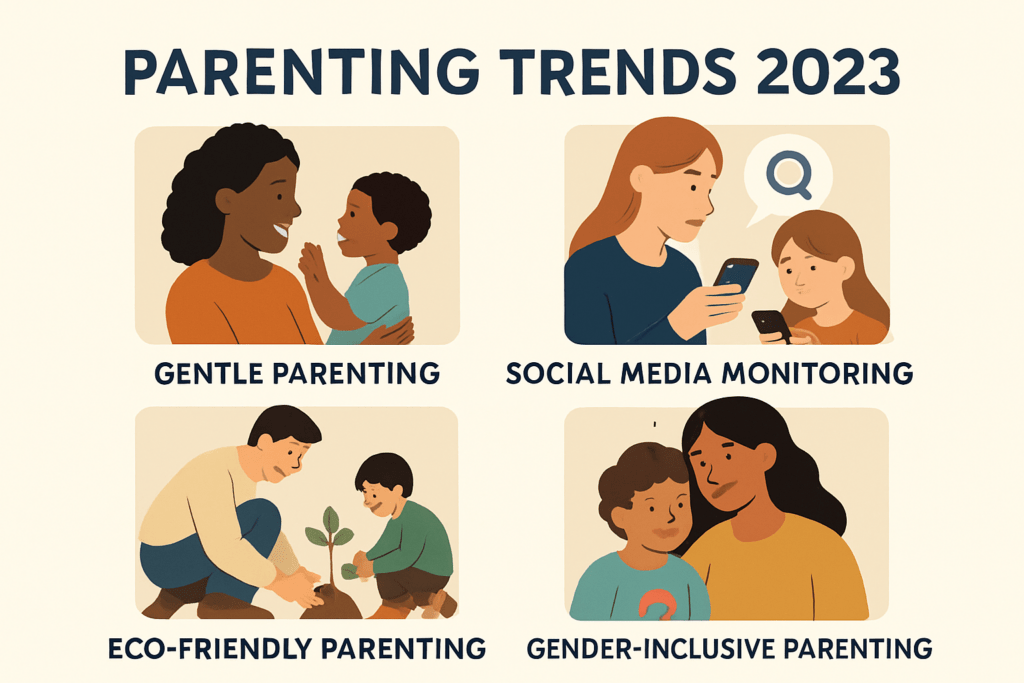
For a closer look at how families are rewriting the rules, check out the latest parenting trends.
Looking Ahead
Voice assistants have quietly become common in nurseries and living rooms from reading bedtime stories to answering an endless stream of toddler questions. Meanwhile, AI tutors are starting to teach everything from spelling to coding, adjusting their tone and method based on a child’s learning pace. Robotics, once only found in labs and sci fi, are creeping into early education think interactive storybots and toy companions engineered to support cognitive growth.
But just because the tech is getting smarter doesn’t mean parenting gets easier. The next frontier comes with harder questions. Should a robot comfort a child after a rough day? Can an AI really support emotional learning? These tools don’t come with moral compasses, and using them without intent can blur the lines between help and harm.
That’s why keeping the human core alive is more critical than ever. Tech can enhance routines, build skills, and entertain. But it can’t and shouldn’t replace the emotional anchoring that comes from a parent’s voice, presence, and intuition. As the toolkit grows, it’s up to today’s parents to keep it real: to guide, question, and decide when to power off.
(For an expanded view on what’s coming next: latest parenting trends)






























































































































 Senior Parenting Writer