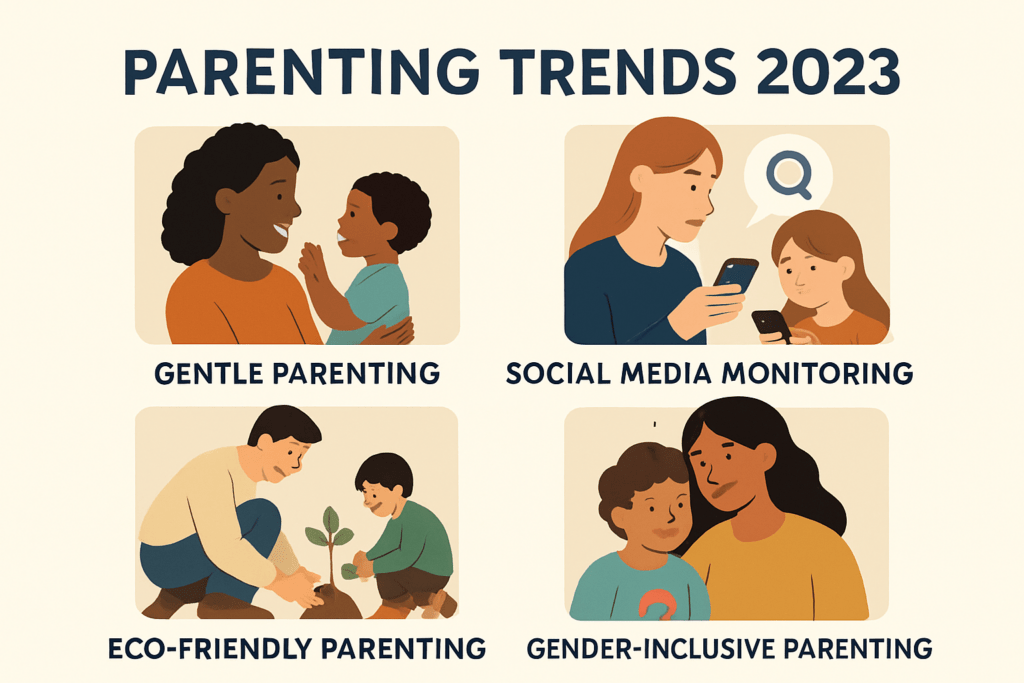

Shift Toward Conscious Parenting
Modern parenting isn’t about who can shout louder or enforce the harshest timeout. The focus is shifting to something quieter but more powerful: emotional intelligence. Instead of jumping straight into discipline, many parents are asking, what’s really behind this behavior? It’s less “because I said so” and more “let’s talk this through.”
Active listening is becoming the norm. Moms and dads are sitting down, making eye contact, and actually hearing what their kid is trying to say not just waiting to correct them. That simple pause can diffuse tension way faster than a raised voice.
At the same time, boundaries still matter. It’s not a free for all. Kids are getting room to explore and express themselves, but within clear, steady limits. Autonomy with guardrails. The idea is to teach decision making, not blind obedience. And while that takes more time up front, the payoff is big: stronger trust, fewer power struggles, and a more confident kid who knows they’re being taken seriously.
Gentle Parenting Goes Mainstream
The Rise of “No Yelling” Homes
More parents are turning away from yelling and punitive discipline as research continues to validate the long term benefits of calm, respectful communication. Studies show that children raised in low conflict environments often develop improved emotional regulation, stronger self esteem, and better social skills.
Key findings from recent studies:
Consistent yelling can lead to heightened anxiety and lower self worth in children
Positive reinforcement is more effective than punishment in shaping behavior
Calm parental responses help children model emotional control
Connection Over Control
Rather than punishing mistakes, gentle parenting focuses on understanding the ‘why’ behind a child’s behavior. Correcting with compassion is rooted in empathy and open dialogue, encouraging children to feel heard rather than overridden.
Core approaches include:
Active listening before responding
Explaining boundaries, not just enforcing them
Using misbehavior as a learning moment, not a breach of trust
This shift helps build mutual respect and increases cooperation over time.
Emotionally Secure Households Are on the Rise
As emotional intelligence gains attention in educational and developmental spaces, more families are prioritizing emotionally secure home environments. Gentle parenting sets the stage for open communication, where children feel safe expressing both positive and negative emotions.
What this looks like in practice:
Parents modeling emotional regulation daily
Normalizing conversations about feelings
Creating structured routines that still honor flexibility and autonomy
An emotionally secure household doesn’t mean rule free it means rules are guided by connection, not authoritarian control. More parents are embracing this balance as the new standard in modern parenting.
Tech Savvy Moms Navigating Screen Time
Screens are here to stay. That’s not news. But in modern motherhood, managing them has become a daily juggle between curiosity and caution. Digital learning apps can teach a toddler their ABCs faster than most singalongs. The trick is finding balance. Too much time on screens especially junk content starts to chip away at unstructured play, outdoor time, and real life moments that actually build social intelligence.
Moms are getting smarter about it. Tools like parental control dashboards, screen timers, and kid safe modes help take the guesswork out. It’s not about spying it’s about guiding. Devices aren’t the enemy. Unfiltered access is.
Then there’s the internet’s never ending opinion machine. Parenting advice is always one scroll away. Sometimes it’s helpful. Sometimes it’s a pressure cooker of hacks, judgments, and contradictions. One minute you’re praised for letting your kid explore digital art. The next, you’re warned about screen addiction.
Bottom line: real parenting isn’t black or white. It’s figuring out how to raise smart, grounded kids in a wired world and making peace with some trial and error.
For a deeper look at how social media is shaping parenting decisions, read Understanding the Impact of Social Media on Parenting.
Prioritizing Mental Health for Moms and Kids

Therapy used to be something you whispered about. Now, it’s part of the weekly routine for more families than ever. Mothers especially are leading the charge in normalizing emotional check ins both with professionals and at the kitchen table. It’s not indulgence. It’s survival and it’s smart.
More online support groups and local community circles are popping up, tailored for everything from new moms dealing with anxiety to parents of neurodivergent kids. These aren’t just vent sessions. They’re spaces for learning, thriving, and showing up better for your family.
Burnout isn’t some badge of honor anymore; it’s a warning sign being taken seriously. Instead of cramming productivity into every waking hour, moms are pushing back and redesigning their days. Quiet mornings. Scheduled rest. Saying no. It’s less about the hustle and more about staying grounded so everyone in the family benefits.
Redefining “Perfect Parenting”
Moving Beyond the Highlight Reel
Modern motherhood is breaking free from unrealistic ideals. Thanks to curated social media feeds and filtered family moments, many moms have long felt pressured to meet an impossible standard of “perfect parenting.” However, there’s a growing rejection of these manufactured ideals.
Social platforms often create distorted expectations
Real life parenting looks different than online portrayals
More moms are speaking out about the messiness behind the scenes
Parenting on Your Terms
Increasingly, women are defining success on their own terms not by social trends or outside judgment. Instead of trying to fit into widely accepted parenting molds, mothers are choosing what works best for their unique families.
Flexible routines over rigid schedules
Personalized parenting strategies, not one size fits all advice
Focus on values, not validation
“Perfect parenting” is out. Purposeful, present parenting is in.
The Role of Social Media
Social media plays a significant role in shaping parenting mindsets and not always for the better. While it can offer support and ideas, it can also fuel insecurity. Knowing when to unplug or seek real world connection is becoming a valuable skill.
Be mindful of advice overload and comparison traps
Follow creators who reflect real life struggles, not just picture perfect homes
Explore more insights on this in Understanding the Impact of Social Media on Parenting
The Co Parenting and Equal Load Movement
More dads are showing up not just at soccer games, but in the day to day grind of parenting. Diaper changes, school lunches, midnight feeds, calendar reminders modern fatherhood isn’t a supporting role anymore. It’s hands on, it’s daily, and it’s intentional.
Families are shifting to shared systems. Think synced calendars to track pickups and dentist appointments. Task splitting based on availability, not gender. Open conversations about the mental load. It’s not always smooth, but the goal is balance, not perfection.
The impact on kids is real. When children see both parents involved, capable, and communicating, it builds a strong foundation. Research shows equitable parental roles support emotional development, better behavior modeling, and more secure attachment styles. Plus, it sets the bar higher for the next generation.
This isn’t about doing 50/50 every day it’s about showing up, adjusting as needed, and moving forward as a unit.
Minimalist Parenting: Less Stuff, More Intent
The minimalist parenting trend isn’t about turning your home into a blank white box it’s about filtering out the noise. The packed schedules, the endless activities, the pressure to keep up with curated playdates and must have toys. Instead, more parents are choosing quality time over over scheduling. A walk after dinner. A mess making art session without a timer. Doing less to connect more and it works.
Simplifying daily routines opens the door to real presence. Fewer commitments mean more breathing room, for both parents and kids. Bedtime stories aren’t rushed. Breakfast isn’t a battle. And that space lets children feel seen. It also gives them time to be bored, which is underrated. Turns out, boredom leads to creativity.
There’s a deeper lesson here too. When we show kids that less is enough, they learn not to chase the next thing. They begin to value time, attention, and presence over products. Minimalist parenting is really just intentional parenting cutting through the excess so what matters can actually matter.











































































































































































































































































































































































































































































































































































































































































































































































































































































































































































































































































































































































































































































































































































































































































































































































































































































































































































































































































































































































































































































 Family Activities & Lifestyle Contributor