Why Play Isn’t Just “Fun”
Play looks simple blocks on the floor, make believe games in the living room but it’s doing heavy lifting behind the scenes. For kids, this isn’t downtime. It’s the brain’s prime time for learning. Imagine a child building a train track or pretending to run a restaurant. They’re not just having fun they’re testing ideas, making decisions, solving problems on the fly. The lessons are baked into the play itself.
This kind of learning doesn’t need flashcards or instructions. It happens naturally. Children figure out how to plan, remember details, adjust when things go wrong. They build memory and sharpen decision making without even realizing it. That’s why unstructured play open ended, kid led, no fixed outcome is so powerful. It pushes creativity, encourages flexible thinking, and lays the foundation for how they’ll tackle school and life.
In short, play isn’t the break. It’s the work.
Types of Play That Unlock Cognitive Growth
Pretend play: This is where the magic starts. Kids step into new roles pirates, teachers, astronauts and their brains kick into gear. Imagination drives storytelling, perspective taking, and the early seeds of empathy. Creating new worlds builds narrative thinking, which lays the groundwork for reading comprehension and communication later on.
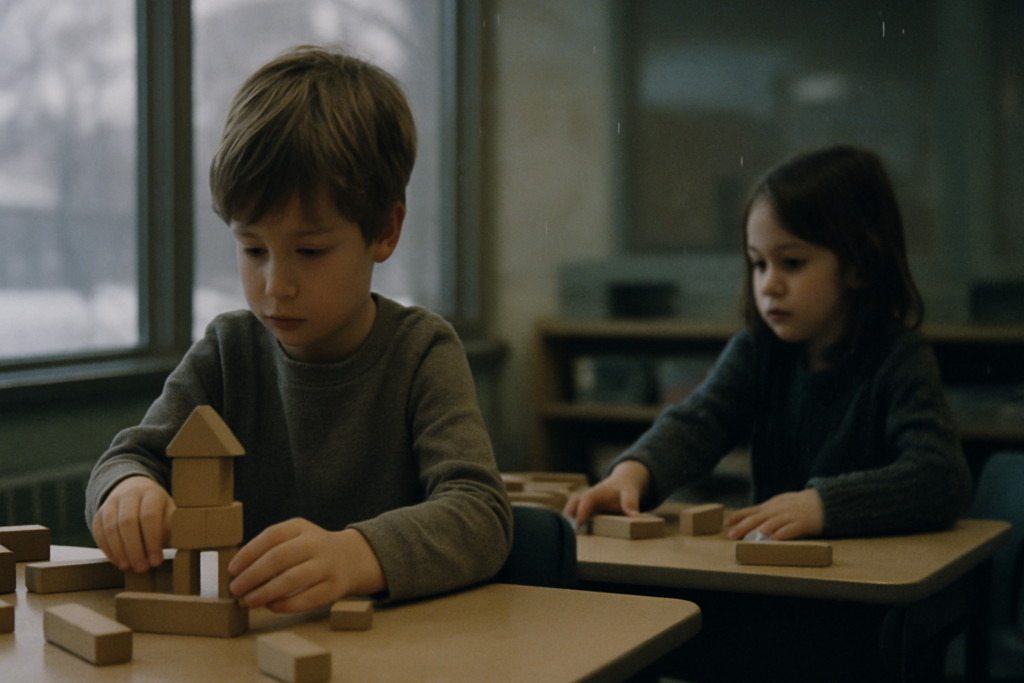
Constructive play: Think blocks, puzzles, or DIY forts in the living room. These activities give kids hands on experience with space, balance, and design. They learn to experiment, adjust, and build from the ground up literally. It’s spatial reasoning in disguise, and it sharpens problem solving inside and out.
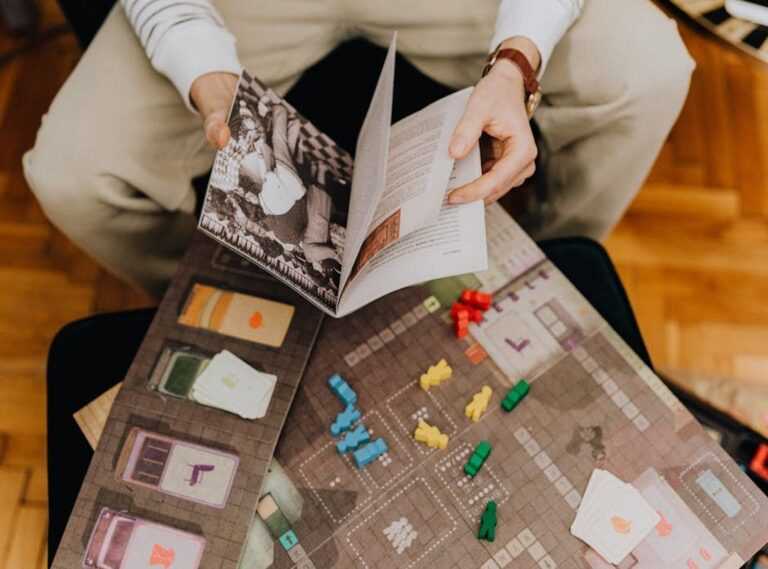
Games with rules: Whether it’s tag, card games, or board games, structured play teaches more than just fair play. Kids learn to follow steps, make plans, and change tactics when things shift. These games demand focus and flexibility two skills that show up big in the classroom and in life.
Physical play: Movement is brain fuel. When kids climb, run, or dance, they’re not just burning energy they’re boosting brain development. Physical play supports coordination, but also improves memory, attention, and emotional control. It’s a full body way to sharpen the mind.
Explore more on the importance of play
What the Science Says

Turns out, play does more than keep kids busy it wires their brains for real growth. Research keeps driving the point home: children who engage in regular play outperform their less playful peers on executive function tasks. That means better focus, stronger memory, more controlled impulses. Basically, the skills that help them plan, stay calm under pressure, and switch gears when things change.
A lot of this comes down to the brain’s prefrontal cortex the area in charge of all those executive functions. Play lights it up. Whether it’s building a make believe world or figuring out how to share a toy, kids are making mental moves that boost attention and decision making.
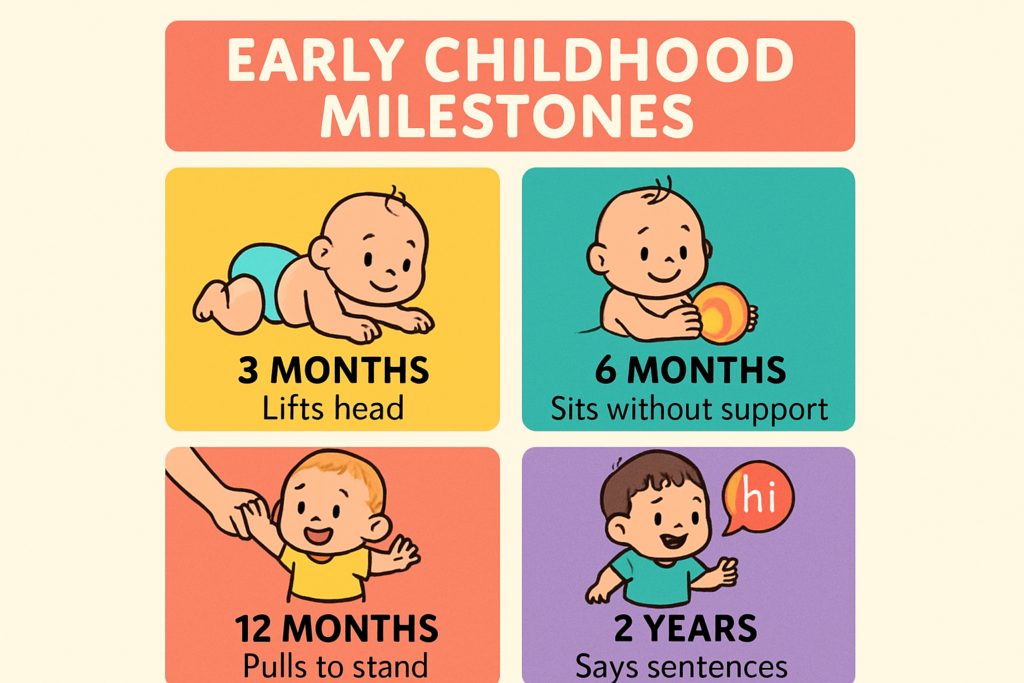
Early exposure matters too. Kids in play based learning environments tend to hit key developmental milestones faster. They’re more emotionally resilient and show up to school ready to learn not just memorize, but actually think. If you’re looking for a head start, it might just come in the form of playtime.
Supporting Cognitive Development Through Play at Home
You don’t need a PhD in child psychology to foster brain development at home. Start by stepping back. Let kids lead the way. Structured play is helpful but that doesn’t mean micromanaging every move. Offer an environment that’s open ended, where a cardboard box can become a spaceship or a café, and where rules are created, broken, and rebuilt by the kids themselves.
Too many toys or too much stimulation? That’s a common trap. Rotating toys and materials gives kids space to focus and explore more deeply. Instead of overwhelming them with variety, serve them novelty in smaller, more intentional bites.
And don’t underestimate the power of mixing play types. Storytelling blends imagination with language. Music pumps rhythm into memory. Physical activity wires coordination with cognitive control. When these elements come together say, acting out a story with songs and movement you’re lighting up multiple parts of the brain at once. Play smarter, not harder.
Read why the importance of play can’t be overstated
Letting Play Do the Heavy Lifting
Kids don’t thrive in classrooms where they feel pressured, judged, or boxed in. Real learning happens when they feel safe enough to explore, engaged enough to wonder, and curious enough to try something new even if it flops. Play creates that space. It’s not downtime from learning; it’s where the brain lights up, connects dots, and takes risks without fear of failure.
When we treat play as optional, we miss the point. It’s not about toys or keeping kids busy it’s how they build memory, practice decision making, and test out ideas in real time. Play layers in complexity naturally. First it looks like chaos, then suddenly it’s logic, language, and problem solving wrapped into one moment of pretend or play.
If we want sharper, kinder, more adaptive kids, we need to trust play. That means not over scheduling them, not rushing them toward “real” academic tasks, and not undervaluing that pile of blocks or dress up box on the floor. The future of cognitive strength isn’t in the worksheet. It’s in the game, the mess, the story, and the build.



















































































































































































































































































































































































































































































































































































































































































































































































































































































































































































































































































































































































 Founder & Chief Editor